Article

The Digital Leap: How 3D Scanners are Revolutionizing Dental Implants, Veneers, and Root Canal Treatment in Kerala
31-Oct-2025
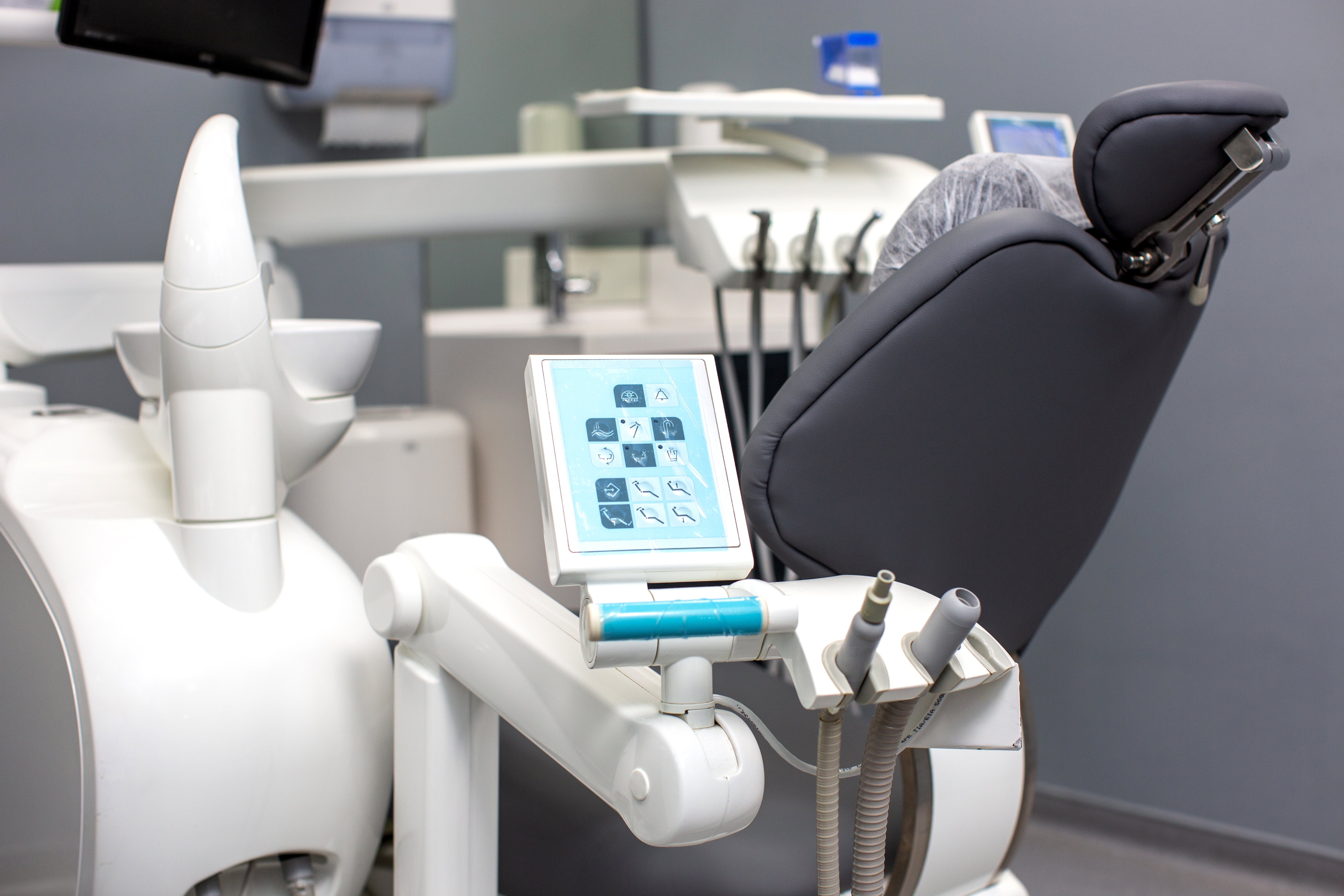
Modern dentistry is defined by precision, comfort, and predictability. The 3D Intraoral Scanner (IOS) is the cornerstone of this digital revolution, moving far beyond the simple elimination of uncomfortable, gag-inducing impression materials. This technology is the engine that drives high-value treatments, ensuring superior outcomes for Dental Implants, Cosmetic Dentistry, Veneers, and the long-term success of Root Canal Treatment.
Digital Comfort: Eliminating Dental Anxiety
For decades, traditional impressions-with their messy materials, unpleasant tastes, and potential for gagging, were a significant source of dental anxiety. The 3D Intraoral Scanner replaces this distress with a small, handheld device that gently glides over the teeth.
The impact on the patient experience is profound. Studies show that digital imprint procedures lead to a dramatic reduction in patient-reported discomfort compared to conventional methods. This improved comfort immediately fosters trust, making patients more receptive and confident about proceeding with advanced treatment plans.
Furthermore, the scanner provides instant visual feedback. As the clinician scans, a detailed 3D model appears on a screen in real-time. This visual communication clarifies complex processes, helping patients instantly understand their diagnosis and proposed care, building essential engagement and confidence.
Precision: The Foundation of Long-Term Success
Digital precision is not just an advantage, it is a necessity for treatment longevity. The IOS uses advanced structured light technology, projecting a non-visible light pattern onto the tooth surface to capture millions of highly accurate 3D data points.
Unlike manual impressions, which are susceptible to distortions, air voids, and errors during handling or shipping, the digital approach eliminates these failure pathways. The resulting digital model is instantly imported into Computer-Aided Design (CAD) software, ensuring restorations are fabricated directly from accurate data. This streamlined workflow dramatically reduces the risk of remakes and minimizes the need for costly chairside adjustments, guaranteeing a superior marginal fit that prevents long-term complications like decay and restoration failure.
Cosmetic Excellence: Veneers and Smile Design
In Cosmetic Dentistry, particularly for Veneers and smile makeovers, the 3D scanner is indispensable. The precise digital data is the starting point for the Digital Smile Design (DSD) workflow.
DSD allows the clinician to analyze facial proportions and plan the exact shape, size, and placement of Veneers with micro-level accuracy. Crucially, DSD creates a virtual try-on, allowing the patient to visually preview their new smile before any clinical work begins. This visualization process ensures the patient is emotionally invested and leads to greater satisfaction with the final, natural-looking aesthetic result. By guaranteeing perfect input data, the 3D scanner ensures the custom-fabricated Veneers fit flawlessly, protecting the patient's aesthetic investment.
Surgical Predictability for Dental Implants
For Dental Implants, the scanner transforms high-stakes surgery into a highly controlled, predictable procedure. The IOS scan captures the crown and soft tissue contours, and this data is fused with 3D radiographic information obtained from Cone Beam Computed Tomography (CBCT).
This integrated 3D model allows the surgeon to pre-plan the entire implant procedure on a computer. This planning is vital for patient safety, allowing the precise mapping of critical anatomical structures like the mandibular nerve and the maxillary sinus, ensuring the surgical path avoids inadvertent damage.
The result is a custom-designed, 3D-printed surgical guide that acts as a drilling template. This guide dictates the exact position, angle, and depth, converting potentially complex, freehand surgery into a safe, minimally invasive procedure. This high level of control is a direct predictor of the implant's long-term prognosis and prosthetic survival rate.
Enhancing Root Canal Treatment Longevity
While Root Canal Treatment (RCT) saves the tooth, its long-term success depends on the final restoration. After RCT, the tooth requires a precise crown or inlay to protect the remaining structure from fracture.
The 3D scanner captures the prepared tooth structure with exceptional accuracy, feeding the exact specifications into CAD/CAM fabrication. This digital process ensures a superior marginal fit for the crown, the critical junction between the restoration and the tooth. A perfect marginal seal prevents microbial leakage and recurrent decay, safeguarding the investment in the Root Canal Treatment and maximizing the lifespan of the restored tooth. Advanced practices even use the fusion of CBCT and digital surface scans to plan complex endodontic scenarios, such as "Guided Root Canal Treatment," increasing diagnostic accuracy and execution precision.
The Digital Investment: Choosing Long-Term Value
In competitive dental markets, clinics committed to integrating the 3D scanner are setting the standard for patient-centered care. This full digital approach - from implant planning to final crown fabrication- ensures superior clinical outcomes and compelling long-term value. Digital workflows, which allow files to be sent instantly to labs, dramatically cut down turnaround time compared to the weeks sometimes associated with physical molds, saving patients both valuable time and money. This commitment to modern, evidence-based dentistry provides risk mitigation and guarantees predictable, patient-centered care.
To secure an investment in your oral health where comfort meets micrometric precision for your Dental Implants, stunning Cosmetic Dentistry outcomes, flawless Veneers, and durable, long-lasting Root Canal Treatment, choose a practice that uses this fully integrated digital technology. Dr. RajKrishnan’s Dental Clinic is committed to providing this highest standard of care.
Visit us at Dr RajKrishnan’s Dental Clinic, Kochi — Book a consultation: https://share.google/8dj49vhcLmZzx2KfB